
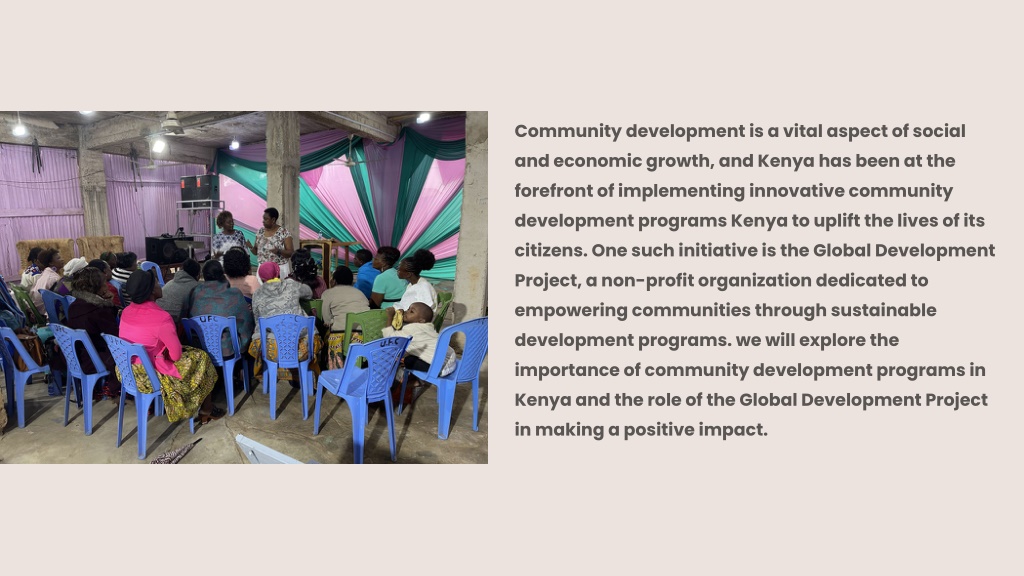
Community development plays a crucial role in fostering social cohesion, economic growth, and environmental sustainability. It involves the processes that allow communities to assess their needs, set goals, and take action to achieve them. One valuable resource for understanding the intricacies of community development is the work done by organizations like community development https://opedvanuatu.org/, which advocate for community-led approaches around the world.
Understanding Community Development
At its core, community development is about improving the quality of life for all residents within a community. This multifaceted discipline encompasses various aspects, including economic development, social inclusion, environmental stewardship, and cultural enrichment. Each community is unique, which means the strategies and initiatives employed must be tailored to the specific context, needs, and aspirations of its members.
The Importance of Empowerment
Empowerment is a central tenet of community development. For real and lasting change to occur, community members must be actively involved in the decision-making processes that impact their lives. Empowerment can be expressed in many ways, such as providing training programs, facilitating access to resources, and supporting local leadership. When community members feel empowered, they are more likely to take initiative and work collaboratively towards common goals.

Core Components of Community Development
Effective community development is built on several key components, including:
- Participation: Involvement from community members at every stage is crucial for ensuring that initiatives are relevant and sustainable.
- Collaboration: Partnerships with local government, NGOs, and businesses can amplify efforts and combine resources for maximum impact.
- Education and Skills Training: Providing learning opportunities helps build capacity, enabling community members to address their challenges effectively.
- Access to Resources: Ensuring that community members have access to financial, educational, and technological resources is essential for success.
- Inclusivity: Emphasizing the involvement of marginalized groups ensures that all voices are heard, leading to more equitable outcomes.
Case Studies: Successful Community Development Initiatives
Numerous successful case studies illustrate the power of effective community development initiatives. For instance, in several rural areas of India, community-managed microfinance programs have transformed local economies. By pooling resources and providing loans to small business owners, these programs have bolstered local entrepreneurship, improved living standards, and created jobs.
In another example, multiple urban neighborhoods in the United States have fostered community gardens as a means to promote food security. These gardens not only provide fresh produce but also serve as community hubs, bringing residents together and fostering a sense of ownership and belonging.
The Role of Technology in Community Development
In an increasingly digital world, technology plays an ever-growing role in community development. Online platforms enable communities to connect, share resources, and collaborate more effectively than ever. Social media can facilitate outreach and engagement, allowing organizations to amplify their messages and mobilize support more efficiently.
Additionally, technology can assist in data collection and analysis, offering valuable insights into community needs and resource allocation. Mobile applications can also be deployed to gather feedback from community members, ensuring their voices are heard in real-time.
Challenges Facing Community Development
Despite the benefits of community development, several challenges persist. Resource limitations, lack of political will, and socioeconomic disparities can hinder progress. Furthermore, the impacts of globalization and climate change pose significant threats to community resilience, underscoring the need for sustainable development practices.
Moreover, navigating diverse community interests can be a daunting task. Effective communication and conflict resolution strategies are essential to ensure that all stakeholders feel valued and included in the development process.
Strategies for Overcoming Challenges
To overcome these challenges, communities must adopt innovative strategies. Emphasizing collaboration and building strong networks among stakeholders can enhance resource mobilization. Community forums can provide a platform for discussions, feedback, and conflict resolution.
Moreover, integrating sustainability into community development planning can ensure long-term success. Communities can explore renewable energy solutions, promote local agriculture, and invest in green infrastructure to enhance resilience against environmental challenges.
Conclusion
Community development is a dynamic and vital field that requires a multifaceted approach. By empowering local residents, fostering collaboration, and utilizing technology, communities can create sustainable change and improve overall quality of life. It is essential for all stakeholders, including governmental agencies, NGOs, and the private sector, to recognize their roles in supporting community initiatives and investing in the future of their communities.
Through a commitment to inclusive practices and sustainable development, we can create a world where every community thrives. The journey of community development is ongoing, but with the right strategies, resources, and a shared vision, positive transformation is not just possible—it’s within reach.